How to Create Safe Environments for Children and Adolescents

Extracurricular activities play a fundamental role in the holistic development of children and adolescents. Through sports, arts, cultural programs, community initiatives, and youth groups, students can explore their interests, develop new skills, and strengthen their identity beyond the classroom.
These environments allow young people to learn through practice, creativity, and teamwork. They also promote important values such as cooperation, discipline, empathy, and respect for others.
Participating in extracurricular activities also helps students build friendships, learn from mentors, and develop character. However, just like within schools, extracurricular environments are not immune to the risk of bullying.
For this reason, coaches, instructors, community leaders, and program coordinators play a crucial role in creating safe environments where children can learn and grow without fear.
When extracurricular programs promote a culture of respect and support, young people not only develop technical skills but also social and emotional competencies that will benefit them throughout their lives.
The Role of Leaders in Bullying Prevention
Individuals who lead extracurricular activities have a significant influence on group behavior and the overall environment. Their leadership can help prevent bullying when they actively promote values such as respect, inclusion, and cooperation.
Some key actions they can implement include:
- Being a role model for respectful, inclusive, and collaborative behavior.
- Clearly communicating the principles and values that guide the program.
- Establishing clear procedures for resolving conflicts and applying them consistently.
- Creating an anti-bullying code of conduct signed by participants, instructors, and families.
When a bullying situation occurs, it is essential to intervene immediately, separate those involved, and listen to each individual to understand what happened.
It is also helpful to include activities that allow young people to reflect on their experiences, understand different perspectives, and develop empathy.
When conflicts arise within the group, they can become educational opportunities if they are addressed respectfully and connected to the values of the program.
Prevention Strategies Based on the Type of Activity
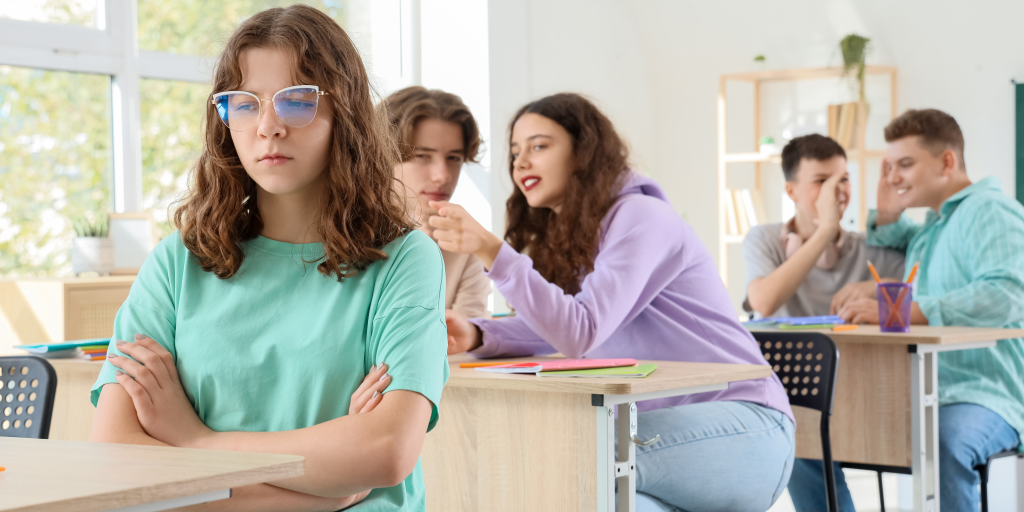
Each type of extracurricular activity has unique characteristics. Therefore, strategies to prevent bullying should be adapted to the specific context in which they occur.
Sports Programs
In sports programs, competition is a natural part of the activity. However, the focus should not be solely on winning but also on teamwork, effort, and personal growth.
Coaches can help prevent bullying when they:
- Encourage the development of individual skills in all participants.
- Rotate roles during practices and games so every student has the opportunity to participate and learn.
- Design activities appropriate to each participant’s physical and technical level.
- Promote peer support, encouraging experienced students to help beginners.
It is also important to remind young people that no one starts as an expert and that progress comes through practice, perseverance, and teamwork.
Community and Youth Organizations

Community, cultural, or values-based organizations play an important role in shaping young people and strengthening social bonds.
Leaders in these environments can help prevent bullying by promoting respect for different beliefs, cultures, and identities.
Some effective strategies include:
- Encouraging understanding and respect for cultural and social diversity.
- Creating collaborative learning opportunities among different groups.
- Involving students in community service projects.
- Addressing bullying situations openly within the group.
Talking about how people feel when they experience bullying — whether they are victims, witnesses, or participants — can help young people understand the real impact of their actions.
Artistic Activities
Artistic activities such as music, dance, theater, writing, or visual arts provide young people with opportunities to express ideas, emotions, and creativity.
However, because these activities involve personal expression, some students may feel particularly vulnerable to criticism or judgment.
To prevent bullying in artistic environments, it is important to:
- Teach students how to provide constructive feedback.
- Avoid mockery or offensive comments about others’ work.
- Reinforce the idea that all artists are constantly learning and improving.
- Encourage collaboration within the group.
When students feel valued and respected, they are more likely to develop self-confidence and feel comfortable expressing their creativity.
Extracurricular Activities Should Also Be Safe Spaces
Bullying can occur in any environment where children and adolescents interact. For this reason, prevention should not be limited to the classroom.
Extracurricular activities also require clear structures, responsible leadership, and educational programs that promote positive coexistence.
When coaches, instructors, families, and schools work together, it becomes possible to create environments where young people feel safe to learn, participate, and grow.
Toward Bullying-Free Educational Environments

Bullying prevention does not happen automatically. It requires commitment, training, and structured strategies involving the entire educational community.
For this reason, many educational institutions are adopting formal prevention models such as the Anti-Bullying Certification based on the International Standard BULL-LI-2025/A.
This system allows schools to develop:
- Clear protocols for bullying and cyberbullying prevention
- Social-emotional education programs
- Training for teachers and school leaders
- Positive coexistence strategies
- Active participation from families and the community
When schools and organizations implement these systems, they not only reduce bullying but also strengthen students’ emotional well-being and create healthier educational environments.
Preventing bullying is not just about reacting to problems. It is about building environments where respect, empathy, and safety are part of the daily culture.
If you would like to learn how your institution can implement these international standards for school coexistence, visit:
and discover how the Anti-Bullying Certification based on the BULL-LI-2025/A Standard works.
Continue Reading…
- Bullying Prevention in Extracurricular Activities Guide

- Children, Internet, and Sexual Content

- Empathy: The Value That Prevents Bullying and Builds Safer Schools

This information is priceless…
Subscribe to our newsletter and stay up to date with the latest news and updates on bullying. Get tips, tools, guides, and brochures to help you fight bullying at home or at school.
Whether you’re a parent, teacher, guardian—or even a victim—this information is for you.
And if you own an educational institution and want to eliminate bullying but have a limited budget—we’re your solution.
Throughout the year we’ll launch exclusive discounts for certified members subscribed to our newsletter.


What are you waiting for?
The change is Here and Now.
The change is Here and Now.